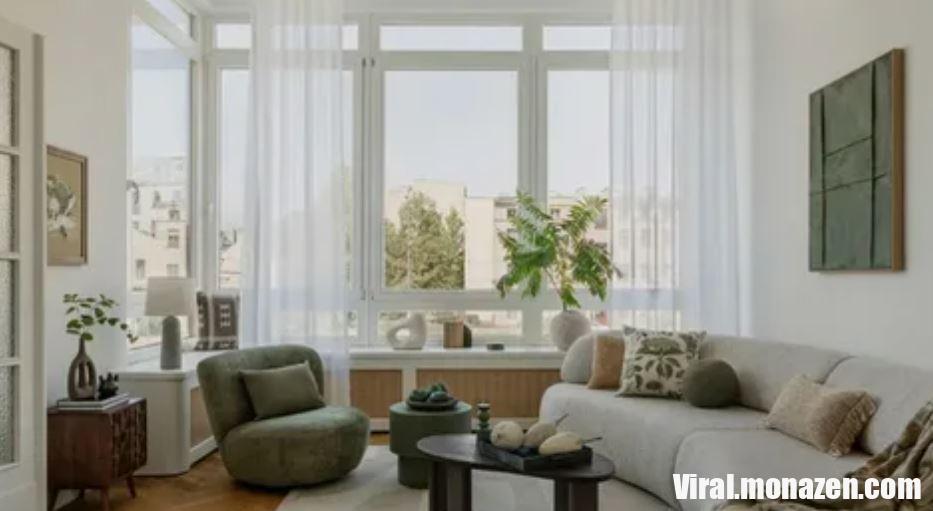

You don’t need a bigger home.
You need 15 minutes.
There’s a specific kind of stress that comes from walking into a room that feels… heavy. Not dirty. Not chaotic. Just visually overwhelming.
The strange part?
It often only takes a few small adjustments to completely change how the room feels.
This is the 15-minute declutter reset that designers quietly use before photoshoots — and it works in apartments, houses, rentals, and shared spaces worldwide.
No renovation.
No expensive storage systems.
Just smarter visual control.
Why Some Rooms Feel Messy (Even When They’re Not)
Visual clutter is different from physical clutter.
A room can be technically “clean” but still feel chaotic because of:
- Too many visible small objects
- Uneven surfaces
- Crowded corners
- Poor light reflection
- Mixed visual heights
Your brain prefers simplified patterns.
When too many elements compete for attention, the space feels smaller and heavier.
The goal isn’t perfection.
It’s visual calm.
The 15-Minute Reset (Step-by-Step)
Set a timer. Move quickly. Don’t overthink.
Minute 1–5: Clear Horizontal Surfaces
Flat surfaces collect visual noise.
Focus on:
- Coffee tables
- Kitchen counters
- Nightstands
- Entry tables
Remove everything.
Then return only 1–3 essential or decorative items.
Example:
Instead of five small items on a table, keep one tray with two coordinated pieces.
This alone transforms a room instantly.
Minute 6–10: Control Soft Clutter
Soft materials amplify mess visually.
Quick reset:
- Fold throws neatly
- Fluff pillows evenly
- Straighten curtains
- Smooth bed linens
Symmetry reduces visual stress.
Even slightly uneven fabrics make rooms look busier.
Minute 11–13: Remove One “Crowded Corner”
Every room has one.
A chair stacked with clothes.
A pile of unopened mail.
Shoes near the door.
Choose one area and reset it completely.
You don’t need to solve everything — just remove one visual pressure point.
The difference is dramatic.
Minute 14–15: Adjust Lighting
Light defines perception.
Turn on:
- Warm lamps
- Overhead lights (if soft)
- Natural light sources
Open curtains fully.
Brighter rooms feel larger and cleaner — even if nothing else changes.
Why This Works (The Psychology of Space)
Your brain scans rooms in layers:
- Horizontal lines
- Vertical balance
- Lighting contrast
- Object density
When horizontal surfaces are clear and lighting is balanced, the brain interprets the environment as orderly.
It’s perception — not square footage.
That’s why staged homes look bigger.
They’re not emptier. They’re edited.
The 5 Visual Clutter Triggers Most People Ignore
If a room still feels heavy, check these:
- Too many small decorative items
- Open shelving packed tightly
- Mismatched storage bins
- Visible cables and wires
- Overcrowded wall art
Reducing item density often has more impact than deep cleaning.
Works in Any Country, Any Climate
This method doesn’t rely on specific furniture types or home layouts.
It works in:
- Studio apartments
- Family homes
- Shared living spaces
- Dorm rooms
- Compact urban flats
- Large suburban houses
Visual editing principles are universal.
Why This Outperforms Deep Cleaning (Emotionally)
Deep cleaning takes hours.
Declutter resets create instant emotional relief.
And relief is what most people are searching for.
You don’t need a spotless house.
You need a room that feels breathable.
The 60-Second Daily Maintenance Rule
To keep rooms reset:
- Clear one flat surface per day
- Return items to designated zones
- Avoid placing objects “temporarily”
Temporary piles become permanent stress.
Consistency beats marathon organizing sessions.
Quick Definition: What Is Visual Clutter?
Visual clutter occurs when too many objects compete for attention within a space, creating cognitive overload even if the area is technically clean. Reducing object density improves spatial perception and calmness.
FAQ
Does this mean minimalism?
No. It means visual editing. You can keep your style — just simplify presentation.
What if I don’t have storage?
Use baskets, trays, or closed containers to group items visually.
How often should I do a reset?
Once a week is enough for most homes.
Does this increase home value?
Well-presented spaces often appear larger and more inviting, which can improve perceived value.
The Bigger Insight
Clutter isn’t just physical.
It’s visual pressure.
When horizontal space clears and light improves, rooms feel emotionally lighter.
Fifteen minutes won’t change your life.
But it can change how your space feels tonight.