In an era defined by sharp political rhetoric and highly visible ideological battles, few rivalries capture the intensity of modern American politics quite like the ongoing clashes between Representative Alexandria Ocasio-Cortez and former President Donald Trump.
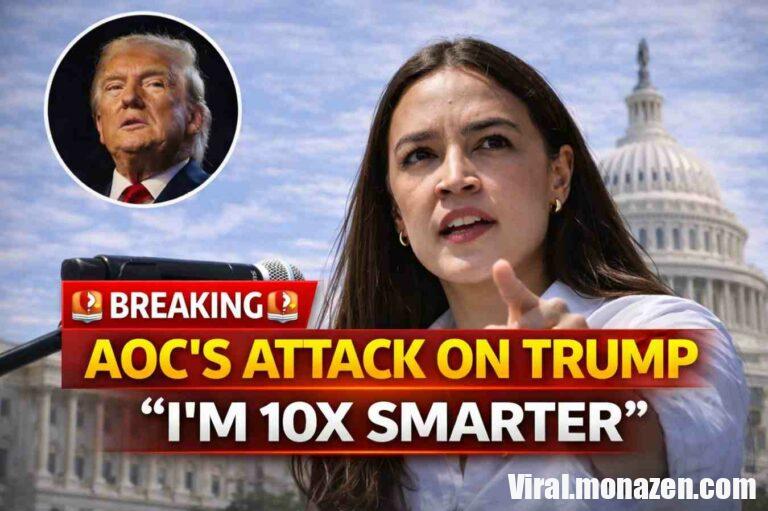
A recent viral social media post circulating online has reignited discussion about the relationship between the two figures, highlighting how political messaging, personality-driven narratives, and digital media continue to shape public debate in the United States.
Although the authenticity and exact context of the quote attributed to Ocasio-Cortez has been widely debated, the controversy itself reflects something deeper: the increasingly personal and polarizing nature of political discourse in Washington.
Two Political Forces From Different Americas
Alexandria Ocasio-Cortez, often referred to simply as AOC, rose to national prominence in 2018 after defeating a long-time Democratic incumbent in a stunning primary upset in New York. At just 29 years old at the time, she became one of the youngest women ever elected to the United States Congress.
Her rapid rise was fueled by grassroots activism, social media engagement, and support for progressive policies such as climate action, economic inequality reform, and expanded healthcare access.
Donald Trump, by contrast, represents a very different political trajectory.
A billionaire businessman and television personality before entering politics, Trump’s unexpected victory in the 2016 presidential election transformed the Republican Party and reshaped American political strategy. His style—direct, combative, and highly media-driven—helped build a loyal political base that continues to influence U.S. politics even after his presidency.
The contrast between the two figures could hardly be more pronounced: generational differences, ideological disagreements, and distinct communication styles all contribute to their ongoing political friction.
The Power of Viral Politics
In the digital era, political statements rarely stay confined to speeches or interviews. Instead, they often travel across social media platforms within minutes, amplified by supporters and critics alike.
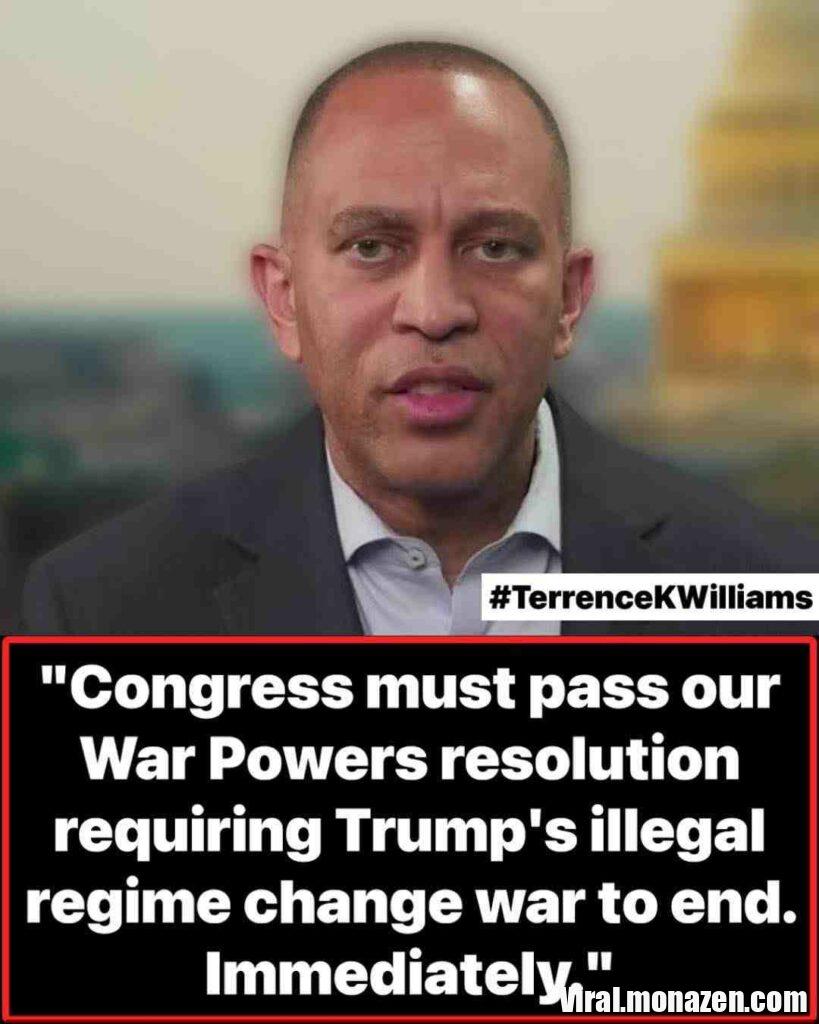
The quote circulating in the viral graphic—suggesting that Ocasio-Cortez compared her intelligence favorably to Trump’s—illustrates how easily political narratives can spread online, regardless of whether the context is fully understood.
Political analysts note that viral posts often function less as factual reporting and more as symbolic messaging.
“These posts are designed to provoke reaction,” explained one media studies professor in a recent interview. “They tap into existing political identities. People share them not necessarily because they verify every detail, but because the message aligns with their political worldview.”
The result is an information environment where political figures can become symbols in broader ideological debates.
AOC’s Role in the Progressive Movement
For many younger voters and progressive activists, Ocasio-Cortez represents a new generation of leadership.
Her policy priorities—including aggressive climate initiatives, student debt reform, and expanded social safety nets—have helped push Democratic Party discussions further toward progressive economic ideas.
She has also been highly effective in using social media platforms to communicate directly with supporters, often bypassing traditional media channels.
This approach has made her one of the most recognizable political figures in the United States despite serving only a few years in Congress.
However, her visibility has also made her a frequent target of criticism from political opponents.
Conservative commentators often portray her policies as unrealistic or economically risky, while supporters argue that her proposals address long-standing structural problems in American society.
Trump’s Enduring Political Influence
Despite leaving office, Donald Trump remains one of the most influential figures in American politics.
His political movement continues to dominate Republican Party dynamics, and his endorsements often carry significant weight in primary elections.
Trump’s communication style—particularly his use of provocative language—has reshaped how political messages are delivered in the digital age.
Supporters praise his willingness to challenge political norms and confront opponents directly. Critics, however, argue that his rhetoric has contributed to rising polarization and declining civility in public discourse.
Regardless of perspective, there is little disagreement about his impact on the political landscape.
Personal Rivalries as Political Theater
The rivalry between Trump and Ocasio-Cortez illustrates how personal conflicts between political figures can become part of the broader narrative shaping national debates.
Political messaging increasingly revolves around personalities rather than policies, creating a media environment where individual statements can overshadow substantive policy discussions.
This phenomenon is not entirely new in American politics.
Historically, figures from Andrew Jackson to Franklin Roosevelt engaged in highly personal political battles. What has changed, however, is the speed and scale with which these disputes now spread across digital networks.
A single remark can reach millions of people within hours, instantly becoming part of the national conversation.
The Larger Question: What Does This Mean for Political Dialogue?
The viral quote attributed to Ocasio-Cortez may or may not represent her exact words, but the reaction it generated highlights a deeper concern about the state of political communication.
As social media platforms reward emotionally charged content, nuanced policy discussions often receive far less attention.
This dynamic can reinforce partisan divisions by encouraging audiences to consume information primarily from sources that confirm their existing beliefs.
Political scientists warn that such patterns may make compromise and consensus more difficult in an already polarized environment.
A Divided Political Landscape
Today’s American political environment is defined by strong ideological camps, each interpreting events through its own lens.
Supporters of progressive leaders like Ocasio-Cortez often view her as a voice for economic reform and generational change.
Meanwhile, supporters of Donald Trump see him as a champion of national sovereignty, economic nationalism, and political disruption of the traditional establishment.
These competing visions of America’s future are likely to remain central to political debates for years to come.
Looking Ahead
As the United States moves toward future election cycles, the influence of both figures will likely continue to shape national political conversations.
Ocasio-Cortez remains a powerful voice within the progressive wing of the Democratic Party, while Trump continues to command attention within Republican politics and beyond.
Whether their rivalry evolves into direct electoral competition or remains part of broader political narratives, one thing is certain: the intersection of personality, media, and politics will remain a defining feature of the American political landscape.
And in a digital era where a single viral post can ignite nationwide debate, the next chapter of that story may unfold faster than anyone expects.