In Washington, the names chosen for military operations are rarely random. From “Desert Storm” to “Enduring Freedom”, operation titles often carry symbolic weight, reflecting not only strategic goals but also the political messaging surrounding them.
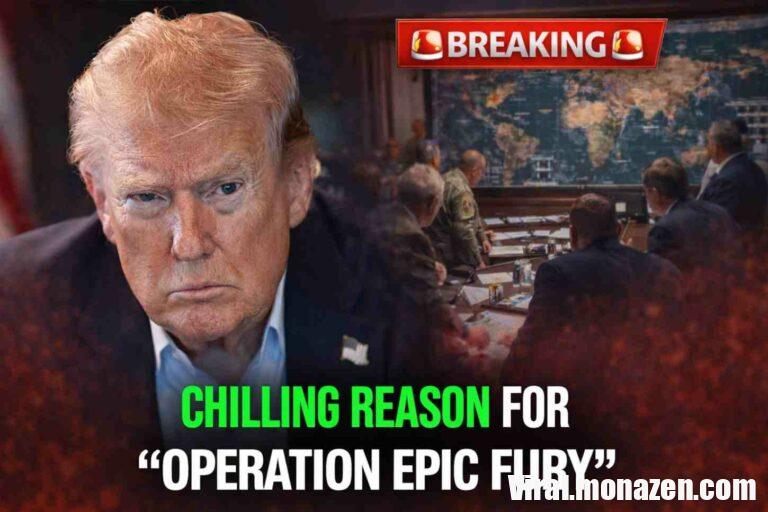
Recently, attention has focused on a striking name associated with a U.S. military initiative reportedly approved during the Trump administration: “Operation Epic Fury.” The phrase has triggered debate among analysts, commentators, and political observers who see deeper meaning behind the dramatic wording.
While military planners often choose names for internal communication and morale, critics and supporters alike are asking a broader question: Why this name, and what message was it intended to send?
A Tradition of Powerful Operation Names
Military operations have long been given evocative titles designed to inspire confidence, signal strength, or communicate resolve.
During World War II, operations such as “Overlord” and “Torch” helped rally Allied forces and the public. Later conflicts continued the tradition, with names like “Desert Shield”, “Desert Storm”, and “Enduring Freedom.”
These names serve multiple purposes. Internally, they help military planners organize complex campaigns. Externally, they often become part of the narrative presented to the public.
In many cases, the chosen title is intended to frame the mission in terms that highlight determination, urgency, or moral clarity.
The Origins of “Operation Epic Fury”
The phrase “Epic Fury” immediately stands out for its intensity. Unlike more restrained titles traditionally used by the Pentagon, the wording suggests overwhelming force and emotional resolve.
According to defense analysts familiar with naming conventions, such phrases are often selected through internal processes that involve both military officials and communications teams.
These titles are typically drawn from pre-approved word lists designed to avoid operational leaks while still conveying a sense of purpose.
However, the unusual tone of “Epic Fury” has led some observers to speculate that the name was chosen not only for internal use but also for its public impact.
Messaging in Modern Warfare
Modern military operations operate in a complex environment where information and perception are as important as physical force.
Governments are aware that every aspect of a campaign—from official statements to operation names—can shape how events are perceived internationally.
In this context, “Operation Epic Fury” may have been designed to communicate strength and decisiveness.
Supporters argue that such language reinforces deterrence by signaling that the United States is prepared to respond forcefully to threats.
Critics, however, suggest that dramatic phrasing can also escalate tensions by framing conflicts in emotionally charged terms.
Political Context Matters
The naming of any military operation cannot be separated from its political environment.
During Donald Trump’s presidency, the administration often emphasized themes of strength, assertiveness, and direct action in foreign policy messaging.
Supporters viewed this approach as a necessary shift away from what they considered cautious diplomacy. Critics argued that the rhetoric risked heightening geopolitical tensions.
Within that context, the name “Epic Fury” appears consistent with a communication style that favored bold and memorable language.
For political allies, such phrasing signals resolve. For opponents, it can raise concerns about the tone of international engagement.
The Role of Narrative in Military Strategy
Military historians frequently note that wars are fought not only on battlefields but also in narratives.
The way an operation is described can influence domestic support, international reactions, and the morale of troops involved.
A dramatic title can rally public attention and emphasize the seriousness of a mission.
At the same time, it can also become a focal point for criticism if observers believe the wording reflects political messaging rather than strategic necessity.
The debate surrounding “Operation Epic Fury” illustrates how even small details—such as a name—can become part of a larger conversation about leadership and strategy.
The “Theory” Circulating Online
Much of the recent attention surrounding the operation’s name has been fueled by online speculation.
Some commentators have proposed theories suggesting the title carries symbolic or historical references. Others believe it was chosen simply because it sounded powerful and memorable.
In reality, operation names are often selected through relatively routine processes within military command structures.
Yet the modern information environment means that almost any detail can spark widespread analysis.
Social media discussions, podcasts, and opinion columns have amplified curiosity about what the phrase might represent.
Supporters See Strategic Signaling
Those who defend the naming decision argue that strong language plays an important role in deterrence.
In their view, signaling determination can prevent adversaries from underestimating U.S. resolve.
Throughout history, military leaders have often used powerful messaging to discourage hostile actions.
Supporters say that if the phrase “Epic Fury” captures attention, it may also serve the strategic purpose of reinforcing American strength.
Critics Warn About Escalatory Rhetoric
Critics of the phrase worry that dramatic wording may unintentionally escalate tensions.
Diplomacy and military strategy often rely on carefully calibrated messaging designed to avoid misunderstandings.
If operation names appear overly aggressive, critics argue, they may contribute to perceptions that conflicts are being framed in emotional rather than strategic terms.
Such concerns reflect broader debates about how language shapes international relations.
Why the Debate Matters
The controversy surrounding “Operation Epic Fury” demonstrates how modern political and military decisions are scrutinized from multiple angles.
Even seemingly minor details—like a name—can become symbols in larger debates about leadership, communication, and national strategy.
For supporters of the administration’s approach, the name reflects a confident and assertive posture.
For critics, it raises questions about whether strong rhetoric may complicate diplomatic efforts.
The Power of Words in Global Politics
Ultimately, the discussion highlights the enduring power of language in shaping public perception.
Operation names often outlive the campaigns themselves, becoming shorthand for entire periods of history.
Whether “Operation Epic Fury” will join the list of historically significant military titles remains to be seen.
But the attention surrounding the phrase illustrates a broader truth: in politics and warfare alike, words carry weight.
They can inspire, alarm, reassure, or provoke debate—sometimes all at once.
As the conversation continues, one thing is clear: the name “Epic Fury” has already succeeded in doing what many operation titles are designed to do—capture attention and spark discussion about the strategy behind it.