
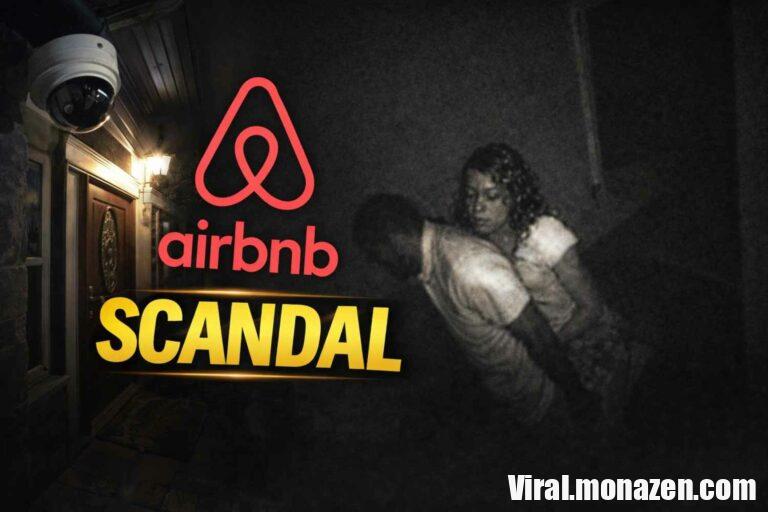
What began as a routine weekend stay at a short-term rental has escalated into a legal dispute that raises serious questions about privacy, surveillance, and the responsibilities of hosts and guests on home-sharing platforms.
A man from the United States says his stay at an Airbnb property in Memphis ended in controversy after a disagreement with the host over alleged rule violations and additional fees.
According to court documents, the dispute intensified when the guest later discovered that his wife had received an email containing a video apparently captured by a security camera outside the rental property. The video, the lawsuit claims, showed him accompanied by another woman.
The incident has now moved from an online disagreement into the courtroom, where the guest is accusing the host of invasion of privacy and intentional emotional distress. The host, however, denies any involvement in sending the email.
A Weekend Stay That Led to Conflict
The man at the center of the lawsuit, identified in court filings as Shawn Mackey, reportedly booked the Airbnb property for a weekend stay in Memphis.
According to the complaint, the rental cost approximately $567 per night, a price consistent with high-end short-term rental properties in the area.
Mackey stated that he informed the host ahead of time that some friends might visit the property during his stay. Such disclosures are often recommended on short-term rental platforms to avoid misunderstandings regarding occupancy limits or house rules.
However, after the stay concluded, the host allegedly accused Mackey of violating the property’s rules.
The host reportedly claimed that the number of guests exceeded what had been permitted under the booking agreement.
The Disputed Charges
Following the stay, the host allegedly requested an additional payment of roughly $960, claiming that the property’s house rules had been broken.
Extra charges can occur on home-sharing platforms if guests violate rules such as:
- Bringing unregistered visitors
- Hosting parties or large gatherings
- Exceeding occupancy limits
- Causing property damage
However, Mackey reportedly refused to pay the requested amount.
In response, he left a negative review of the property on the platform, criticizing the host and the experience.
Online reviews are an important part of the Airbnb ecosystem. Both hosts and guests rely on them to build trust and maintain reputations.
Because of that, negative reviews can significantly affect a host’s ability to attract future bookings.
The Email That Escalated the Situation
According to Mackey’s lawsuit, the situation took a far more personal turn after the review was posted.
The complaint states that his wife received an email from what appeared to be a fake or anonymous account.
Attached to the email was an image or video reportedly captured by an exterior security camera installed at the Airbnb property.
The footage allegedly showed Mackey arriving or leaving the property accompanied by another woman.
Mackey claims the message was sent deliberately to damage his personal life.
In the lawsuit, he argues that whoever sent the email intended to retaliate against him for leaving the negative review.
Allegations of Privacy Violations
The lawsuit accuses the host of invasion of privacy, arguing that surveillance footage from the property was misused and shared without consent.
It also claims that the alleged actions caused emotional distress and harm to Mackey’s marriage.
Privacy experts say that while security cameras are commonly used in short-term rental properties, strict rules govern how they must be disclosed.
Under the policies of Airbnb, hosts are required to clearly inform guests if security cameras are present and where they are located.
The platform also states that cameras are not allowed in private spaces, such as bedrooms or bathrooms.
Exterior cameras, however, are generally permitted if guests are notified.
The Host Denies Responsibility
The host involved in the case has denied sending the email.
According to statements referenced in the legal filings, the host says she had no involvement in the message that was sent to Mackey’s wife.
If the claim is accurate, the email may have been sent by an unknown third party who gained access to the footage or obtained the image through other means.
The dispute therefore raises another key question: how the image was obtained in the first place.
Legal experts say determining the origin of the email will likely play a central role in the case.
Surveillance and the Sharing Economy
The incident highlights a broader issue within the rapidly growing short-term rental industry: the balance between security and privacy.
Many hosts install security cameras to protect their properties from theft, vandalism, or unauthorized gatherings.
However, critics argue that excessive monitoring can create uncomfortable or invasive experiences for guests.
Over the past several years, multiple controversies involving hidden cameras or undisclosed surveillance devices have led platforms like Airbnb to tighten their policies.
The company now requires hosts to:
- Disclose all cameras and monitoring devices
- Clearly state their locations
- Avoid placing cameras in private areas
Failure to comply with these rules can result in listings being removed from the platform.
The Role of Reviews in Online Platforms
Another dimension of the dispute involves the powerful role reviews play in the sharing economy.
On platforms such as Airbnb, reviews can determine whether a host or guest remains successful on the platform.
Hosts rely on positive feedback to attract bookings, while guests with negative reputations may struggle to rent properties.
Because of this, disputes over reviews sometimes become heated.
In rare cases, they even escalate into legal conflicts.
Legal analysts say retaliation—whether real or perceived—can complicate these situations further.
The Legal Battle Ahead
Mackey’s lawsuit seeks damages related to emotional distress and privacy violations.
The court will likely examine several key issues:
- Whether the host had access to the surveillance footage
- Whether the host shared or distributed the video
- Whether the guest was properly informed about the cameras
- Who actually sent the email
Investigators may also examine digital evidence such as email records, IP addresses, and camera storage systems.
Depending on the outcome, the case could set an important precedent for disputes involving surveillance in short-term rentals.
A Growing Industry Facing New Challenges
Short-term rental platforms like Airbnb have transformed the travel industry over the past decade.
Millions of travelers now stay in privately owned homes instead of traditional hotels.
However, this model also introduces new legal and ethical challenges.
Issues involving privacy, property rules, surveillance technology, and digital reputation are becoming increasingly common as the industry expands.
Legal experts say the Memphis case illustrates how quickly an online dispute can evolve into a complex legal battle.
The Human Impact Behind the Headlines
Beyond the legal questions, the situation highlights the personal consequences that can arise from digital conflicts.
What started as a disagreement over a few hundred dollars in additional charges has now reportedly affected relationships, reputations, and legal standing.
As the case moves forward in court, it may provide greater clarity on how privacy laws apply to modern home-sharing platforms.
For travelers and hosts alike, the dispute serves as a reminder that the intersection of technology, personal privacy, and online reviews can create unexpected consequences.
And in an era where security cameras and digital communication are everywhere, even a simple weekend stay can become the center of a much larger story.